
McTimoney-Corley Skeletal Therapy
The gentle corrective manipulation of the bones of the head, spinal column, pelvis and limbs, by the McTimoney-Corley Skeletal Therapist, is believed to enhance the natural self-healing capabilities of the body.
We are called McTimoney-Corley Skeletal Therapists because, although most patients visit us with a back problem, on most occasions the therapist will look at other parts of the body as well – hence our motto ‘The Whole Body Whole’. For example, if a patient has a knee problem, the therapist will still look at the spine and pelvis too.
Re-alignment may be achieved with adjustments that encourage soft tissue release. Many patients believe that McTimoney-Corley Therapy, in its gentle approach, has been more suited to their bodies.
Testimonials have shown that McTimoney-Corley Skeletal Therapy does not just relieve pain, but sometimes removes the cause of other dis-ease. No cell or organ of the body can function properly without its correct supply of nerve impulses.
Remedial exercises will be recommended and advice will always be given to help avoid a recurrence of the problem.
McTimoney-Corley Skeletal Therapy can also be used as a preventative therapy. The frequency of treatments depends on the person’s occupation and life-style.
This therapy has also been successfully adapted to treat most animals, especially horses and dogs.
What happens next?
Your therapist will report on what they have discovered and then discuss with you the best course of action to help you.
They will probably have given you quite a lot of information during your treatment as to what to expect afterwards. This is not always easy to remember so these are the main items: –
N.B. Should your therapist feel that they cannot help you, they will refer you back to your doctor or an appropriate specialist.
After the treatment you will be asked to do very specific exercises designed to help keep your body in its corrected situation. These exercises play a vital part in your recovery so it is important that you carry them out as regularly and as exactly as your McTimoney-Corley Skeletal Therapist suggests.
Reactions to the treatment are many and varied but it is normal to feel tired and/or a little achy all over, straight after the treatment and possibly for two or three days afterwards.
It is not usually necessary to have a follow-up treatment less than a week after the initial one, as your body needs time to adjust to the first treatment. But if you are worried about your body’s reaction to the treatment, please contact your therapist at once.
Everyone reacts slightly differently to a McTimoney-Corley Skeletal Therapy session. Some people feel energetic after the treatment whilst others feel very tired. Occasionally people feel taller or feel as though they are walking on air!
Some patients feel as though they have a mild dose of flu for a few days, others feel as if they have been put through a mangle! It all depends on how long you have had the problem and how your body has adjusted itself in order to cope with that problem.
If you were unhappy with any aspect of the treatment provided to yourself or your animal, it is vitally important to talk about it to your therapist as soon as possible. There may have been a misunderstanding which can be put right quite easily.
Most misunderstandings arise from a patient’s expectations of the treatment. It is rare, unfortunately, to walk out of the treatment with the problem completely cured. Your body or that of your animal needs time to adjust to the treatment. This can occasionally be instantaneous but, most often, it is a gradual process over the following week to ten days.
If you are still unhappy and/or wish to make a formal complaint after talking to your therapist please write to: –
The Co-ordinator
The Association of McTimoney-Corley Skeletal Therapists
16 Tower Hill
Witney
Oxfordshire
OX28 5ER
Animal manipulation was first introduced by John McTimoney DC in the early 1970s, the technique was refined by Hugh Corley DC (OSC) later in that decade. In the 1980s, animal treatment was further developed and expanded by Shelagh James-Hudson DC (WSC).
The McTimoney-Corley technique has been adapted to treat most animals. Horses, for example, are large and normal methods applied to humans would have little effect on a horse. It is therefore important to realise that, just because a therapist has trained to treat humans, it doesn’t automatically follow that they are able to treat animals as well. Whilst human physiology also applies to animals in many ways, animals with their four legs have different types of body structure, digestive systems, behaviours, different diseases/ailments, and require different skills from the therapist.
All our animal practitioners respect and conform to The Veterinary Surgeons Act 1966 and The Veterinary Surgery (Exemptions) Order 1962, to work within the confines of the law and to ensure clients are aware of these requirements
Why do animals suffer from back problems?

Whilst dogs don’t have riders to contend with, they can still suffer from musculoskeletal problems. Perhaps those more commonly affected are performance dogs e.g., dogs taking part in agility tests, racing or country sports.
Performance dogs suffer from the same stresses, strains, and trauma injuries that human athletes do. Wearing collars is a common factor in creating problems – intense pulling, getting the collar caught, etc., can cause misalignments of the neck vertebrae. If a dog is overweight or unfit, they is also more likely to suffer from back problems, as their lack of muscle tone and skeletal frame will have the extra burden of weight to carry.
Various breeds suffer congenital (inherited) problems, for instance hip dysplasia in labradors. Older dogs may suffer from arthritis leading to gait abnormalities, which can eventually lead to a bad back. Dogs can also lie on bedding which doesn’t provide them with enough support whilst sleeping – like humans their backs need good support to remain healthy.
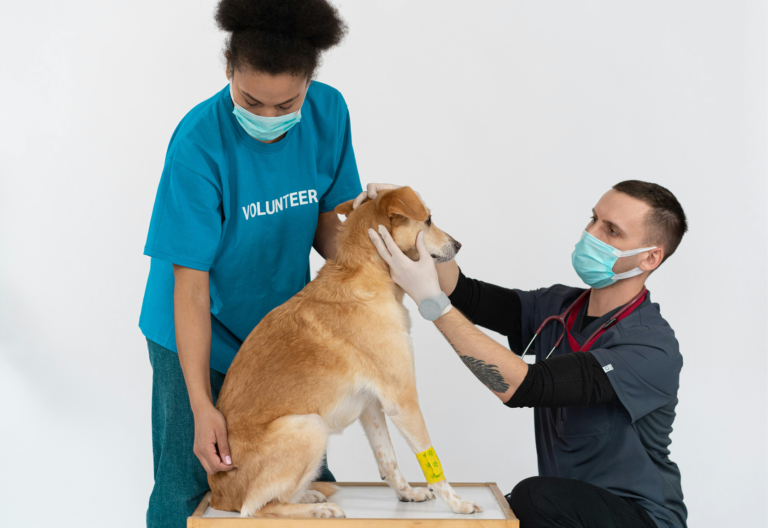
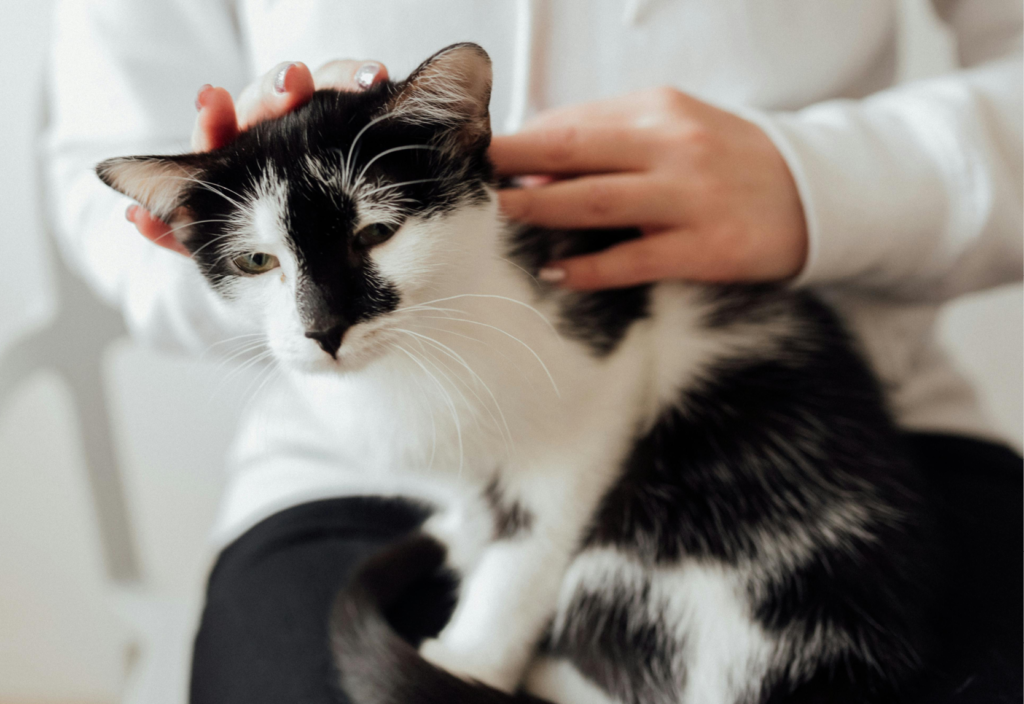
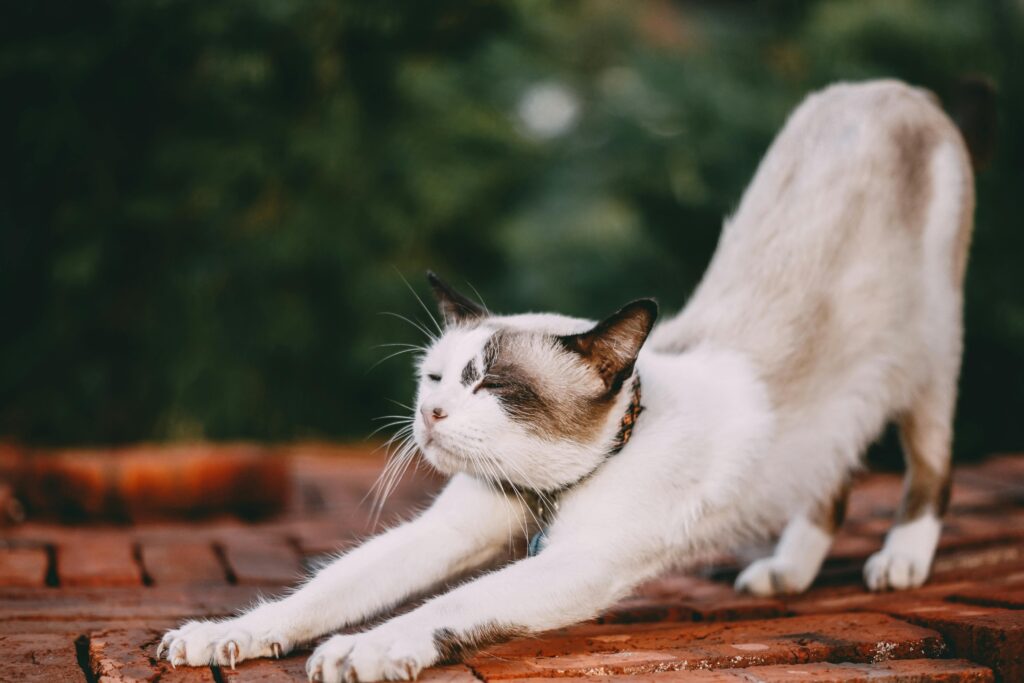
Cats have very flexible spines, can jump and climb effectively, and also have an excellent, self-righting reflex that allows them to land properly in the event of a fall. (Cats really do appear to have nine lives!). Although the risk of them suffering from a bad back is likely to be less common than for horses and dogs, they can still be affected. Like dogs, some cats wear collars which, if caught up in fencing etc, can cause neck injuries. Getting involved in frequent fights can cause injury. The most common cause of structural/neurological problems is a vehicle accident. Also, obesity, stress, illness, and old age may also lead to back and joint problems.
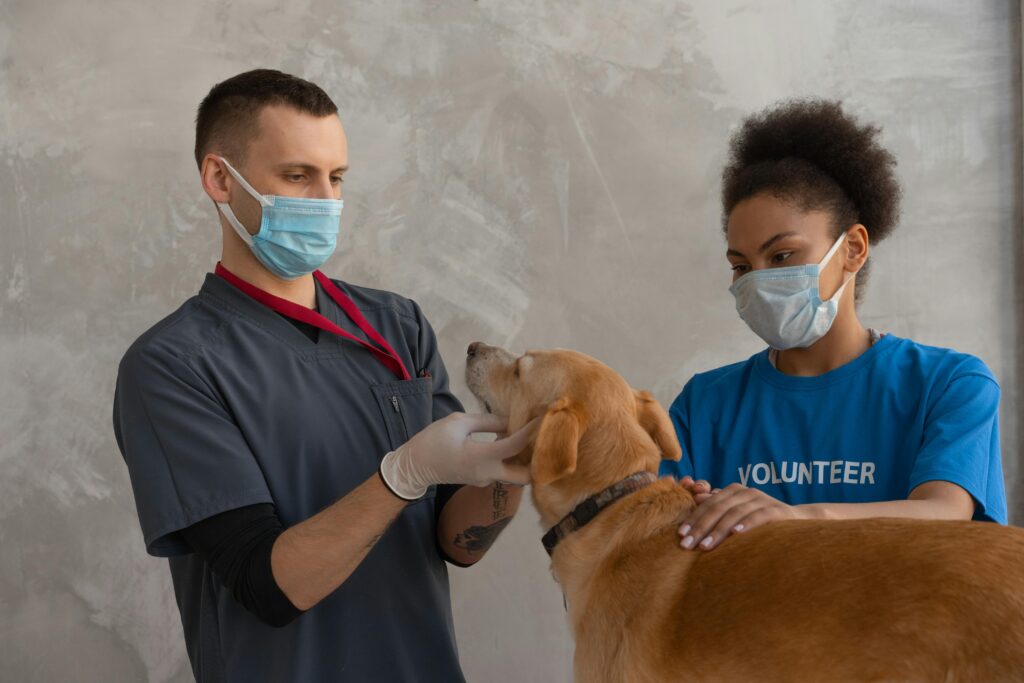
Before any animal practitioner can treat your animal, they need veterinary approval – it is against the law for anyone apart from the vet or owner to undertake treatment of an animal. Only veterinarians can carry out surgery or any other invasive treatment e.g., administering injections unless they instruct someone to do so. All McTimoney-Corley Animal Skeletal Therapists should request that you ask for your vet’s permission first. You may be asked to sign a disclaimer to say that you have done this – this is both for your animal’s and the practitioner’s protection.
On arrival the Skeletal Therapist will ask a wide variety of questions, regarding any worries, concerns or problems you have experienced in relation to your animal. They may also ask questions regarding age, breed, feeding regime, worming, inoculations, past treatment, illnesses, temperament, behaviour, fitness program, amount and type of exercise etc. A background history helps to identify what might be causing a particular back problem e.g. a past trauma where the animal had a bad fall may direct their attention to a particular part of your animal’s spine. It is likely that they will request to see your animal move at a walk and/or a faster pace, to identify any lameness and possible gait abnormalities. Horse owners may be requested to ride their horses, especially if the owner has experienced problems whilst riding.
The Skeletal Therapist will then begin to examine your animal more thoroughly firstly to identify any abnormalities e.g., lumps, bumps, old injuries, muscle wastage etc. They may record their findings before, during and after the treatment session using a triplicate receipt pad.
They will give the top copy to the client, the second copy will be for the vet and the third for the therapist’s own records. They will then use their palpation skills to feel for muscle tension, spasms, pain and skeletal misalignments in the spinal area, which may indicate that nerves could be affected and therefore, not functioning properly. Besides palpating the spine, they will also check joints for appropriate range of motion.
After assessing your animal properly, the Skeletal Therapist will then begin to apply appropriate adjustments. These adjustments help to relieve pressure on the nerves, free-up muscle tension/spasm and enable re-alignment of the spine thereby reducing pain. This allows the body to function normally, to its optimum, so it is free to heal itself.
After treatment the Skeletal Therapist will recommend that your animal is rested for a stated number of days. Horse owners will be advised not to ride for a recommended number of days, although alternative types of exercise may be suggested. There is usually no restriction on turnout time.
16 Tower Hill
Witney
Oxfordshire
OX28 5ER
bobbienicholson293@gmail.com
(07516) 085 450 (text only) or (01993) 774 418 (Bobbie’s Clinic)